
As educators it is our responsibility to cultivate literacy among our students. Recent studies by the (ILA) International Literacy Association suggest that teaching literacy at an early age is vital to future success with literacy. The capacity for digital learning literacy is an even more current trending topic that needs to be addressed by teachers and school systems respectively. Another form of emerging literacy in the 21st century is culturally relevant literacy. Teaching a student to read and write at an early age and then continue building on the foundation throughout a student academic career is laying solid foundations and equipping a student with the necessary tools needed for their future academic success.
 Early literacy is defined as “what children know before they actually read or write” (everychildtolearn.org). According to this article there are six pre-reading skills for children from birth through five years of age. These skills include Print motivation: How excited and interested children are in books, Print awareness: The understanding that words are made up of smaller sounds. Vocabulary: knowing the names of things, feelings, concepts and ideas, Narrative skills: ability to describe things and events, Letter knowledge: Awareness that every letter is different and has a unique name and sound.
Digital learning is the ability to use information and communicative technology to find, evaluate, create and communicate information requiring both cognitive and technical skills. In the 21st century the world is evolving into an increasingly more technological driven culture. The knowledge and application of those skills is growing more and more important. Digital literacy of techno content is already prioritized in many school systems across America. Quote from the US Department of Education, “Technology ushers in fundamental structural changes that are integral to achieving significant progress and improvements in student productivity”. The Department of Education also sees online learning and use of online educational resources and other technologies as essential to students’ education in the 21st century. It is also a cost effective medium to deliver instructional content.
According to a blog of the National Council of Teachers of English, educators who shed light on culturally relevant teaching possess the following characteristics: (1) Have high expectations for their students progress, (2) Demonstrate a sociopolitical awareness and demonstrate that their individual world view may or may not align with the views of their students and (3) Demonstrate a cultural competence that they are willing to acknowledge and address inequity in society, the nation and in their community.
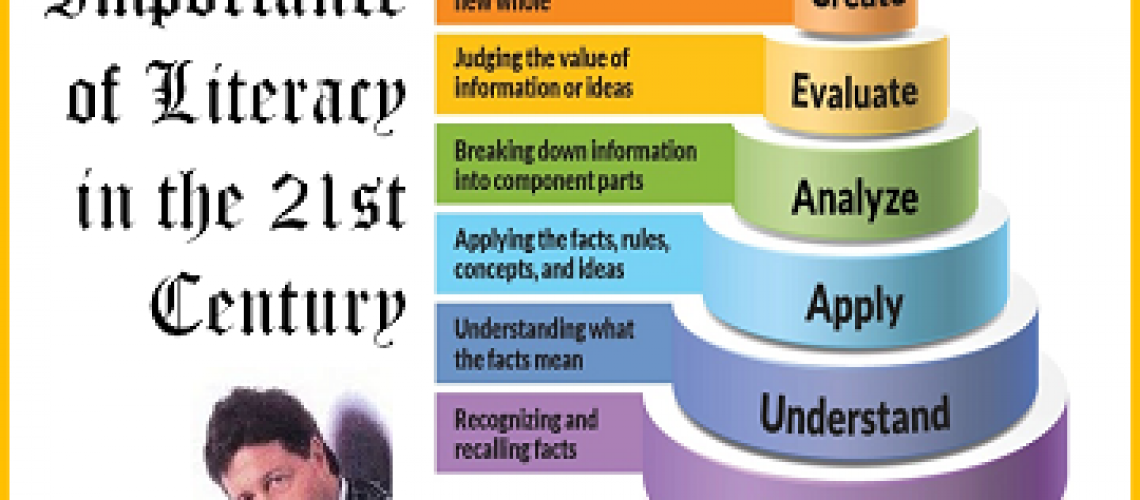
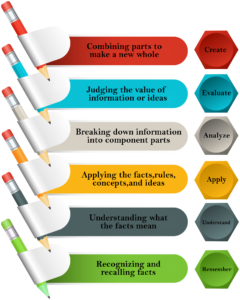
There are many other cognitive learning strategies that help Learners retain more and gain the ability to apply what they have learned to new situations.
References:
(1) Content based on an article by Yemi Fateri, Stevenson University, Blog-news-events, May 2017.
(2) Dr. Christopher Chandler, Genesis University, Hollywood, FL 2019
Source: by Dr. Christopher D. Chandler | Dean of Genesis University
Disclaimer: The views and opinions expressed in this article are those of the author and do not necessarily reflect the official policy or position of Genesis University.